What Forestry Mulching Leaves Behind
Home › Blog › What Forestry Mulching Leaves Behind
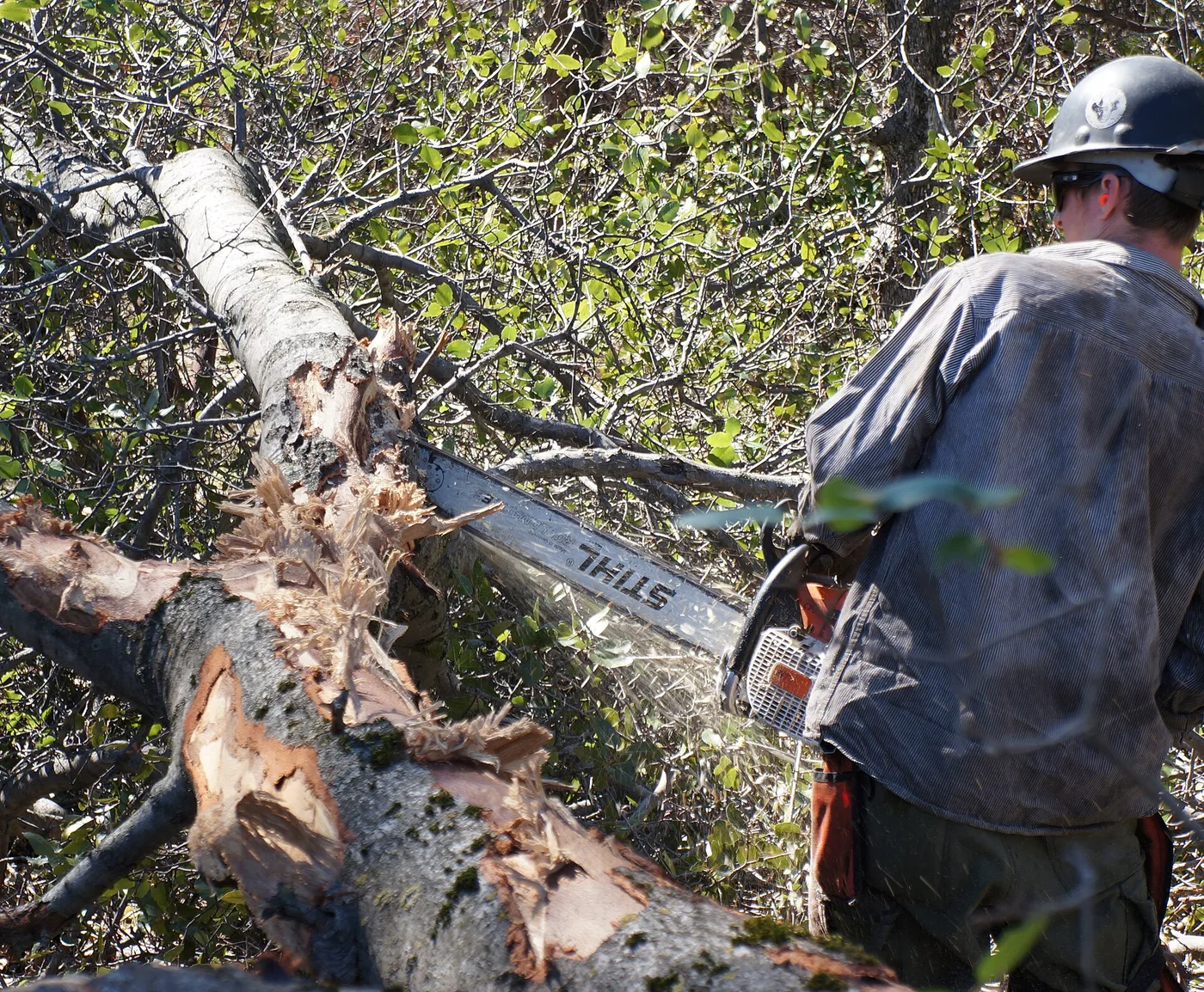
We process the vegetation and leave the material on the surface. Here's what that means for your property — and how to define the finish before we start.
Start with what you want the area to do
Forestry mulching is easier to evaluate when you can define what the area should do after we're done. Better visibility? Easier access? A cleaner edge around an improvement? A larger area that looks more intentional and is simpler to manage? We need that answer before we define the work boundary.
The same vegetation can be approached differently depending on what must remain. A selected tree, fence, drainage feature, or planted area changes how closely we can work. Please mark keep areas and identify known property lines before we arrive. Wide photos help explain how the site fits together; close-ups help us understand gates and obstacles.
We describe our intended mulching result as smooth and presentable — but that's a direction, not a guarantee every property will look identical. Starting vegetation, hidden material, ground conditions, access, and the agreed treatment all influence the finished surface. Our estimate translates a general expectation into a property-specific scope.
Understand what stays on the surface
We process vegetation where we work. The resulting material remains across the treated area — it doesn't disappear. Its appearance and depth can vary with the amount and type of vegetation we addressed. Ask us how the processed material fits your next use and whether any separate handling is part of the project.
This distinction matters when comparing mulching with methods that remove, pile, burn, or haul material. Those operations have different access needs, risks, and costs. Don't assume our forestry mulching estimate includes hauling or a debris-free surface unless our written scope says so.
Processed material can make the work area look substantially different, but it doesn't erase every underlying feature. Existing stumps, rocks, holes, old wire, and debris may still be there — especially if they were hidden before the vegetation was opened. Tell us about known hazards in advance, and review any newly visible conditions at the walkthrough instead of assuming they're automatically included in the original work.
Know the difference between mulching and grubbing
Forestry mulching and grubbing are not the same thing. We address vegetation and produce material at the working surface. Grubbing focuses on roots or stumps and creates more soil disturbance. If your next use requires root removal or a different ground condition, tell us before you accept a mulching estimate.
That conversation may lead to a separate land clearing and grubbing review. We'll identify removals, material placement, access, and the requested condition at completion. We'll also clarify whether grading, compaction, drainage work, or construction preparation is outside the project. Clear lines between trades protect you from assuming a later phase is included when it isn't.
A phased plan can make a lot of sense. We can mulch first to improve access and visibility, then you evaluate what deeper work is actually needed. A later phase is then estimated using conditions that are easier to see. We'll always keep each written scope describing its own finish.
Walk the site with us at the end
The final walkthrough is the right time to compare the marked boundary, keep areas, access route, and expected finish with the completed project. Walk the area while the original plan is easy to reference. If conditions changed during work, confirm how we handled them and whether any follow-up is a new scope.
Take photos from the same viewpoints you used before we arrived. They create a practical record of the transformation and help you plan maintenance or another phase. Pay attention to gates, fences, drainage features, neighboring edges, and any constraints we discussed during the estimate.
The best measure isn't whether your property matches a generic example. It's whether the work matches the written agreement for your land. Our primary service is built on direct communication about the area and the intended outcome — and we want the final walkthrough to confirm that.
Ready to talk through your property?
Tell us the location, the work area, how to reach it, and what you want the finished ground to look like. We'll take it from there.
Request an Estimate