How to Prepare Your Property for Brush Removal
Home › Blog › How to Prepare Your Property for Brush Removal
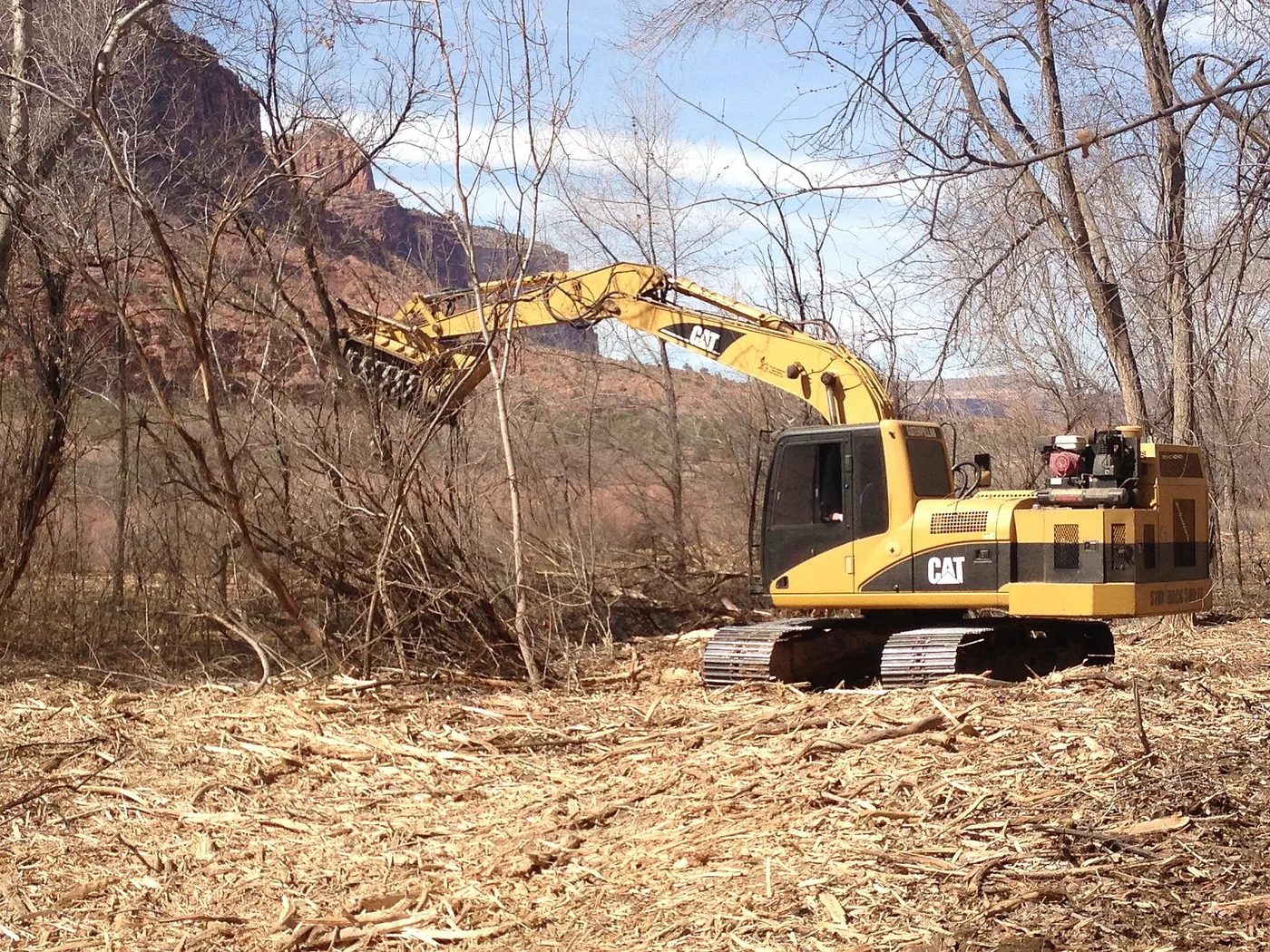
Good preparation is what makes a brush removal project go smoothly. Here's what we ask you to do before we show up.
Mark the work boundary before we arrive
Brush removal starts with a line. We need to know where work begins, where it ends, and whether selected islands or edges stay untouched. Property acreage by itself doesn't answer those questions. Mark the priority zone and explain why you're opening it — visibility, access, appearance, easier maintenance.
Confirm the property line before using it as a work boundary. An old fence, worn path, or informal edge may not be the legal boundary. When in doubt, resolve it before we approve the project. Also identify neighboring improvements and any shared access that affects how we can work.
A phased boundary can be useful when you have several priorities. The first phase might address an access edge or a defined area near an improvement, while another area waits for separate review. We'll keep each phase its own measurable scope — not a vague instruction to clear everything that looks overgrown.
Walk the access route with us in mind
The route to the brush matters as much as the brush itself. Walk from the road or entrance to the proposed work area. Measure gates, note tight turns, look for overhead branches or lines, and identify soft areas or surfaces you want protected. Move vehicles, trailers, stored material, or other obstacles before the agreed start when practical.
If access passes close to a residence, barn, fence, livestock area, or another occupied space, discuss how that affects the plan. Tell us when people, pets, or vehicles need to move through the area. Communication about ordinary site use helps avoid interruptions and keeps expectations realistic.
Photos should follow the access route, not only the densest vegetation. A sequence of images showing the entrance, narrow points, changes in direction, and the relationship between the work zone and nearby improvements can give us a lot to work with for an initial conversation.
Tell us what growth may be hiding
Brush can conceal wire, metal, old posts, debris, holes, rocks, private lines, septic features, drainage components, and other obstacles. Please tell us everything you know, even if the exact location is uncertain. Mark known features and keep people out of areas where a hidden condition hasn't been resolved.
Identify trees, planted areas, fences, and natural or built features that should remain. A bright marker or clear flag can prevent confusion — but talk through what each mark means. Don't assume we'll interpret your marking system the same way you intended without a conversation.
Tell us about any previous use that may have left buried or abandoned material. Opening the vegetation can reveal items that weren't visible during the estimate. Our written scope states how unexpected conditions are handled and makes clear that discovering an item doesn't automatically add its removal to the existing price or method.
Agree on the finish before we start
Brush removal can mean different things. One landowner may want a line of sight restored, while another wants a broader area opened for regular use. Ask what material remains, whether hauling is included, how close we'll come to keep areas, and whether stumps or roots are outside the brush-removal scope.
Compare the requested finish with the right service. We process vegetation and leave material on the surface through forestry mulching. Land clearing and grubbing may involve deeper removals and more ground disturbance — and we review that support scope by scope. The service name should follow the work, not just be a convenient label.
At handoff, we walk the marked boundary and access route together. We check keep areas and discuss any conditions newly visible after the brush was opened. A reliable result is one that matches the agreed scope and leaves you with a clear understanding of the property's next step.
Ready to talk through your property?
Tell us the location, the work area, how to reach it, and what you want the finished ground to look like. We'll take it from there.
Request an Estimate